
Guide
Homeschool record keeping: what to keep and why
Updated 2026-09-26
Homeschool records have two jobs. Where you live may ask for them, and they let you and your child see progress that is easy to miss day to day. Good records are light enough to keep up and honest enough to be useful. This guide covers what to keep, how often, and one distinction that makes records much more meaningful.
First, check what is required where you live
Requirements differ widely. Some places ask for a portfolio of work, some for a log of days or hours, some for a yearly assessment, and some for nothing at all. Look up the education authority for your area and note exactly what it asks for and when. Keep that list at the front of your records so you are never guessing in the last week of the year.
What to keep every week
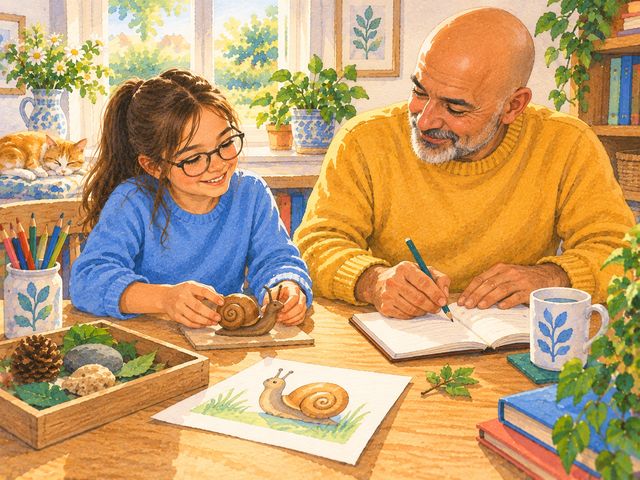
A weekly record takes a few minutes if you do it on the same day each week. For each child, note:
- what you did, in a line per day or a short list
- one piece of work that shows something new: a drawing, a page of writing, a photo of a model
- anything that was hard, and what you tried
- anything your child chose to do on their own
That last item is often the most telling. When a child returns to an idea without being asked, learning is taking hold.
What to keep each term
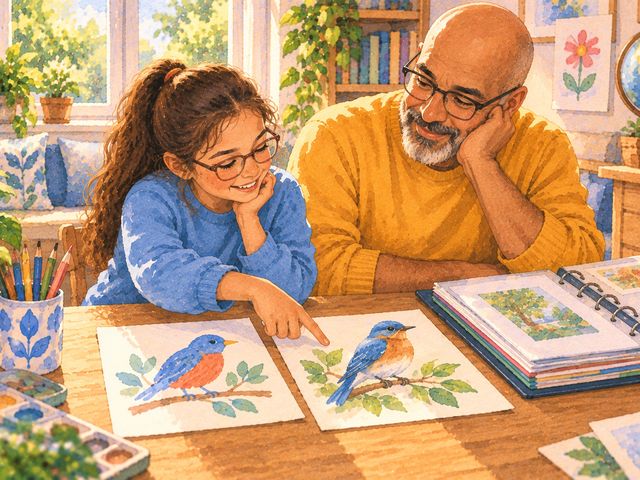
Every few months, look back through the weeks and write a short summary per subject: where your child started, what changed and what comes next. Choose a few samples of work that show the change, such as an early and a recent piece of writing. This is also the moment to adjust your plan. If something has not moved in two months, change how you are approaching it rather than doing more of the same.
Finishing is not the same as learning
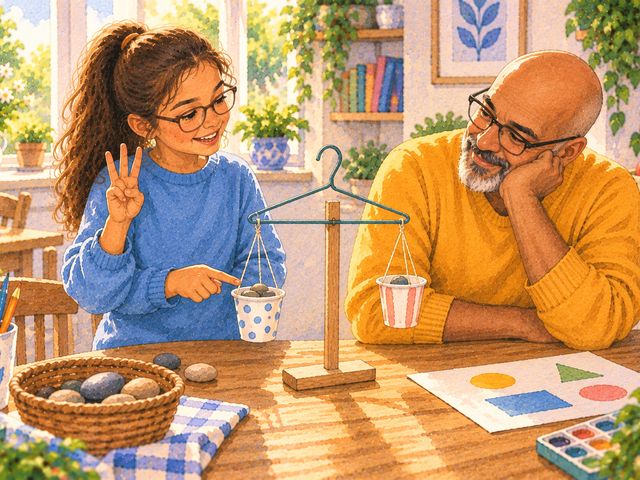
A record full of ticks can hide a lot. A child can finish an activity without understanding it, and can understand something well without any finished worksheet to show. Keep the two apart:
- Done means the activity happened.
- Evidence is something that shows understanding: an explanation in their own words, a harder version solved, a question that goes beyond the lesson.
MyEdora keeps these separate on purpose. An activity marked done is not recorded as mastery, and a reward in the app is never counted as learning evidence. When you write your weekly note, ask yourself which of the two you are recording.
Let the activities do some of the work
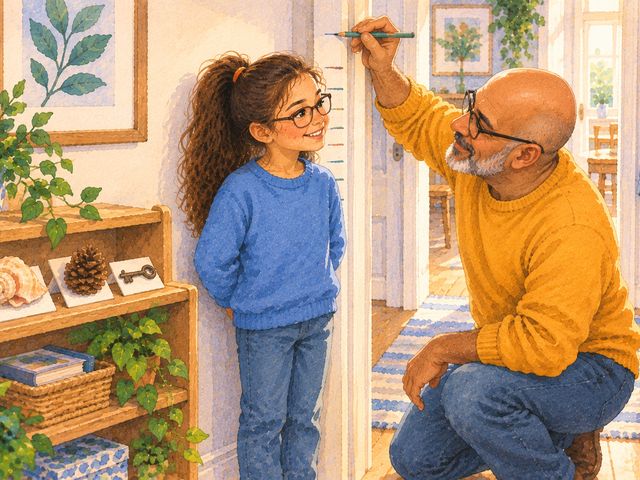
Hands-on activities make good records because they leave something behind. After measure me there is a chart on the wall; after the one-shelf museum there is a labelled shelf; after moon diary there is a month of drawings. Photograph the result and add one line about what your child said while doing it.
Every activity page on MyEdora says what your child practises and what to listen for, which gives you the words for your record. Browse them by subject or by grade, for example Grades 3 and 4.
Include the people who help

If a grandparent, a tutor or a friend teaches part of the week, their notes belong in the record too. Ask them for one line after each session: what they did and what they noticed. In MyEdora, a helper you invite records the sessions they run with your child, and you see them in that child's record.
Keep it private
Records about a child are the family's. Store them somewhere you control, share them only with the people who need them, and keep any notes about your own wellbeing separate from your child's learning record. MyEdora follows the same rule: family data is private by default, never sold and never used to train models.
Where to go next
If you are new to this, read how to start homeschooling. To plan the weeks you will be recording, see a homeschool weekly schedule you can keep.