
Guide
Homeschooling with help from family and friends
Updated 2026-10-07
Homeschooling is often described as one parent teaching everything. In practice, many families learn at home with a small circle around them: a grandparent who tells the family stories, an aunt who loves science, a friend who runs a weekly art morning, a tutor for the subject nobody at home feels sure about. This guide covers how to bring those people in without losing track of the plan.
Decide what to hand over
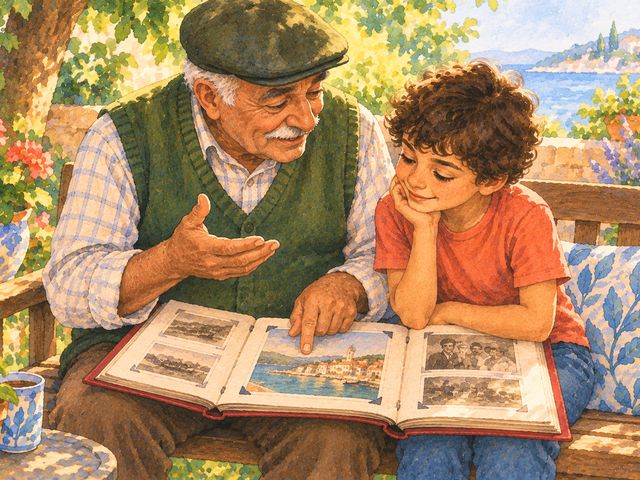
Start from your own week. Which parts do you enjoy, and which do you dread? Which subjects does someone in your circle love? A good handover matches a person to something they care about:
- Grandparents and older relatives are natural history teachers. Activities like ask a grown-up, when I was little and family tree of names are built around their memories.
- A friend with a hobby can own a subject for a term: gardening becomes grow it, a love of maps becomes treasure walk.
- A tutor is worth it for the subject where you feel least sure, or for an older child who needs someone other than a parent to push them.
Give each helper one clear job

Helpers do best with a clear, small job and a set time. "Every Tuesday afternoon, science, one activity from this list" works far better than "help with school when you can". Tell them what your child is working on, what to listen for and what you would like to hear back.
Every activity page on MyEdora spells out what the child practises, how it goes and the grown-up's part, so a helper who has never taught can read one page and start.
Start a new helper small. One session, one activity, and a short conversation afterwards about how it went. If both the helper and your child enjoyed it, make it a regular slot; if not, try a different activity or a different day before deciding it does not work.
Keep everyone on the same plan

The hardest part of shared homeschooling is not the teaching; it is knowing who did what. A few habits help:
- Keep one plan that everyone can see, rather than separate lists.
- Ask each helper for one line after each session: what they did and what they noticed.
- Look at the week together on Friday, so nothing falls between people.
In MyEdora, a parent can invite a helper or a tutor for one child or several in the same invitation, with the permissions the parent chooses. The helper sees those children and nothing else of the family, and the parent can end the access at any time. The family calendar shows every child's week and their class sessions on one view.
Keep a child's information private

Share only what a helper needs for the job you gave them. A tutor teaching math does not need your child's health notes; a grandparent telling stories does not need test results. Keep adult-to-child contact with the parent in the loop, especially with anyone outside the family. MyEdora is built this way: a helper is not a guardian, there are no public child profiles and no open messaging between adults and children.
Classes with other families
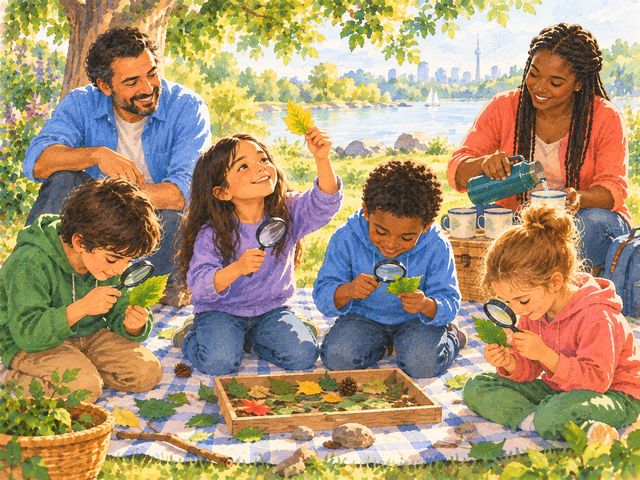
Some families take the next step and learn alongside others: a small group of children in the same grade, coordinated by the adults. A weekly group science morning or a shared field trip spreads the work and gives children friends to learn with. Keep groups small, agree on who is responsible for each session, and keep it adult-coordinated.
Where to go next
- New to homeschooling? Start with how to start homeschooling.
- Planning the week you will share? See a homeschool weekly schedule you can keep.
- Keeping track of what everyone did? Read homeschool record keeping.
- Looking for activities a helper can run? Browse every activity.