Math · Pre-K to Grade 5–6
Pattern parade
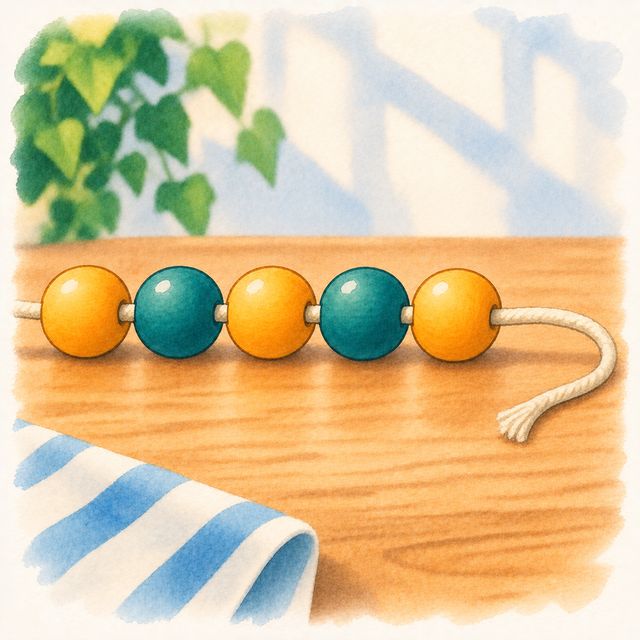
Your child hears a rule, keeps it going, then makes one.
The Pet claps and stomps a short pattern, and your child keeps it going with their own hands and feet. Then they build it back on four sound keys and make up a pattern of their own for the Pet to work out.
- Pre-K to Grade 5–6
- 10 min
- Nothing to prepare
- On the screen
Free to sign up.
Is it a good fit?
- Ready if Your child can copy a clap and a stomp after you.
- Too much today? The Pre-K level: two sounds, said out loud.
- Too easy? The Grade 5–6 level: two patterns side by side, and the beat where their starts land together.
What your child practises
- Repeating patterns
- Growing number patterns
- Where two patterns meet
“Clap, stomp, and again.”
If your child says something like this, in their own words, the idea has landed. Finishing the rounds means they took part; this is the learning.
Your part
- Nothing to prepare but hands and feet
- Each question has a Read it to me button
- Plays alone, or a sibling takes turns at the keys: a slip is asked about by its place, never marked wrong
Take it off the screen (optional)
Lay a pattern on the table with socks, spoons or blocks, and take a photo of it.
More like this
The full design
What it is
A pattern is a rule you can hear and carry on. The Pet plays a little part twice (clap, stomp, clap, stomp) and your child keeps it going with their own hands and feet before the screen asks for anything. Then they build it back on four sound keys, and finally they make one of their own and the Pet has to find the little part. Patterns are the first shape of algebra: a rule you can say, and then keep.
How it goes
The Pet plays its little part twice: each sound lights up on the row and is heard as a clap, a stomp, a tap or a snap. "Hear it again" plays it once more. Your child claps and stomps it, then taps "I did it". Now the four sound keys come up and they build the same pattern back, each key sounding as they tap it; a slip is asked about by its place ("look at number 4"), never marked wrong. When it matches, the Pet plays your child's row back. After three patterns your child makes one and the Pet says what its little part is, sometimes guessing the short version first and correcting itself.
The Pet
Asks: "where does the little part begin again?" Notices: "that is the little part. Now, again!" Remembers: "last time it was clap, stomp. Now with new sounds." Dares (K): "bet you can make one with three sounds"; (1–2): "bet you can find where two patterns meet". Fallible: "I said clap, stomp. No! It is clap, stomp, snap."
By band
Pre-K: two sounds, said out loud. K: three sounds, and a gap in the middle to fill. 1–2: growing number patterns on a grid (2, 4, 6, what comes next?) and "make one that tricks me" with three sounds in the part. 5–6: two patterns side by side, one repeating every 2 and one every 3, and the question is at which beat their starts land together (a common multiple, found by ear and by eye).
What it grows
Patterning in the pre-school years is one of the best predictors of later maths: a child who can say "clap, stomp, and again" is already reasoning about a rule. Growing patterns turn that rule into numbers, and two patterns meeting is the first feel of a common multiple, years before the words.
Done, and what counts as evidence
Done = three patterns kept going and one made. What is worth keeping is what your child said out loud while they built it, and at 1–2 the rule they found ("2 more each time"). A photo of a table pattern is a good work sample.
What's personal
The doing happens off the screen, in your kitchen, with your child's own hands, feet and voice, or with the socks and spoons you have. A sibling can take turns at the keys. The Pet remembers which sounds it played last time.